
Curiosity often gets treated like a personality trait — some kids “just have it,” others don’t. But developmental research tells a different story. Curiosity isn’t a fixed trait; it’s a skill that grows through everyday interactions, and the first five years of life are the most critical window for building it.
Here’s what the science actually says about how curiosity develops — and why it matters so much for the kind of learner your child becomes.
## The Brain Science Behind “Why?”
In the first five years of life, a child’s brain develops faster than at any other point in their life, forming neural connections at a remarkable rate as they take in and process new experiences. Every new sight, sound, question, and discovery strengthens the pathways the brain uses for future learning.
Curiosity plays a direct role in this process. When a child notices something unfamiliar — a strange bug, a new word, a question with no easy answer — their brain releases dopamine, the same neurochemical associated with motivation and reward. In simple terms: curiosity feels good, and that feeling reinforces the desire to keep exploring. It’s the brain’s own built-in learning incentive.
## Curiosity as a Predictor of Later Learning
Developmental researchers have found meaningful links between curiosity in early childhood and academic outcomes later on. Children who show higher levels of curiosity in preschool tend to demonstrate stronger reading and math skills by kindergarten — in some studies, curiosity was as strong a predictor of school readiness as early attention or persistence.
Why? Curious children ask more questions, engage more deeply with new material, and are more willing to try, fail, and try again. That combination — engagement plus resilience — is the foundation of effective learning at any age.
## The Role of Adults in Nurturing Curiosity
Curiosity doesn’t develop in isolation. Research on early childhood development consistently points to the importance of responsive adults — caregivers who notice a child’s interest and engage with it, rather than redirecting or rushing past it.
A few patterns stand out across the research:
– **Responsive conversation matters more than structured lessons.** Children whose questions are met with genuine engagement — even simple ones like “hmm, what do you think?” — show stronger language and reasoning development than those given quick, closed-off answers.
– **Open-ended play builds stronger thinking skills than passive activities.** Unstructured exploration (with blocks, nature, books, or imaginative play) gives children more opportunities to ask their own questions and test their own ideas.
– **Books that invite prediction and wonder support comprehension.** Stories structured around questions — What happens next? Why did that happen? — help children practice the same reasoning skills used in reading comprehension and problem-solving.
## What This Means for Everyday Parenting
The research doesn’t point toward more flashcards or formal instruction. It points toward something simpler and more sustainable: presence. Noticing what your child is curious about. Asking questions instead of only answering them. Making room for wonder in ordinary moments — bath time, walks, meals, and especially story time.
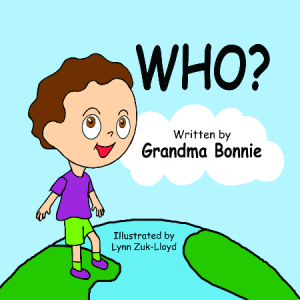
This is also the thinking behind why storybooks built specifically around curiosity — inviting children to wonder who, what, when, where, and why — aren’t just entertaining. They’re aligned with what the research says actually builds young minds: engagement, questioning, and the joy of discovering an answer together.
## Raising Curious Thinkers, One Question at a Time
The science is clear: curiosity is not something children either have or don’t have. It’s something that grows, moment by moment, through the way the adults around them respond to their wonder. The five years before kindergarten aren’t just a countdown to school — they’re the most important curiosity-building window a child will ever have.
**Want stories designed with this research in mind?** Explore the Curious Mind series — storybooks built to nurture the questions that build growing minds.